
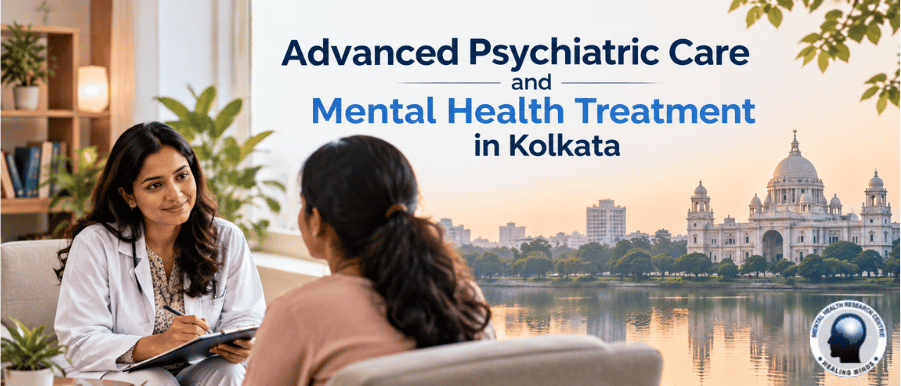
Mental health care has changed significantly over the past decade. Psychiatric treatment is no longer limited to prescribing medication after symptoms become severe. Advanced psychiatric care now focuses on early diagnosis, personalized treatment, crisis management, psychotherapy, rehabilitation, family involvement, and long-term recovery.
In Kolkata, people can access psychiatric care through specialized institutes, hospital-based departments, outpatient clinics, and dedicated mental health centers. The right level of care depends on the condition, symptom severity, medical history, safety needs, and how much the problem is affecting daily life.
For someone experiencing depression, anxiety, bipolar disorder, psychosis, addiction, severe sleep problems, or significant behavioral changes, advanced psychiatric care means receiving a structured assessment and a treatment plan designed around the whole person rather than just one symptom.
What Makes Psychiatric Care “Advanced”?
Advanced psychiatric care is not defined by expensive technology or complicated treatment. It is defined by the quality, depth, and coordination of care.
A comprehensive psychiatric evaluation looks at mood, anxiety, sleep, cognition, behavior, substance use, medical conditions, medications, family history, social stress, and daily functioning. The psychiatrist may also assess safety concerns such as self-harm, suicidal thoughts, aggression, severe agitation, or inability to care for oneself.
This broader assessment matters because psychiatric symptoms can overlap. Depression may present with memory problems. Anxiety may cause chest discomfort or dizziness. Bipolar disorder may initially look like recurrent depression. Substance use can mimic or worsen psychiatric symptoms. Some neurological and endocrine conditions can also produce changes in mood or behavior.
Advanced care aims to identify these overlaps before treatment begins.
Multidisciplinary Mental Health Care
Many people benefit from more than one type of professional support. This is where multidisciplinary care becomes important.
A psychiatrist may diagnose the condition and manage medication. A clinical psychologist may provide structured psychotherapy or psychological testing. Psychiatric social workers may help with family dynamics, rehabilitation, and social functioning. Occupational therapists may support daily routines, work skills, and independence. Neurologists, physicians, or other specialists may become involved when symptoms suggest a medical or neurological cause.
This coordinated model is particularly useful in complex conditions such as treatment-resistant depression, psychotic disorders, bipolar disorder, substance-related conditions, dementia, neuropsychiatric illness, and severe personality or behavioral changes.
The goal is to prevent fragmented care where each symptom is treated separately without understanding how everything connects.
Outpatient Psychiatric Care
Outpatient care is appropriate for many people who are medically stable and able to function safely at home.
A psychiatric outpatient consultation may include diagnosis, medication review, psychotherapy referral, sleep assessment, lifestyle guidance, and follow-up planning. Regular appointments allow the psychiatrist to monitor whether symptoms are improving, whether medications are causing side effects, and whether treatment needs adjustment.
Outpatient care is commonly used for depression, generalized anxiety disorder, panic disorder, obsessive-compulsive disorder, stable bipolar disorder, ADHD, stress-related conditions, insomnia, and many other mental health concerns.
For some patients, outpatient treatment is enough. For others, symptoms may become severe enough to require a more structured setting.
When Inpatient Psychiatric Care May Be Needed
Inpatient psychiatric care may be recommended when a person cannot be managed safely or effectively at home.
This may include severe suicidal risk, inability to care for basic needs, acute psychosis, severe mania, dangerous agitation, substance withdrawal, severe behavioral disturbance, or rapidly deteriorating mental health.
Hospital-based psychiatric care provides closer observation, medication adjustment, crisis stabilization, structured routines, and access to a multidisciplinary team.
Admission does not automatically mean someone has a permanent or severe mental illness. Sometimes a short period of inpatient care is the safest way to stabilize symptoms before continuing treatment on an outpatient basis.
Psychotherapy as Part of Advanced Psychiatric Treatment
Medication is only one part of psychiatric care.
Psychotherapy can help people understand patterns in thoughts, emotions, behaviors, relationships, and coping. Depending on the condition, treatment may involve cognitive behavioral therapy, supportive psychotherapy, trauma-focused approaches, family therapy, behavioral interventions, or other evidence-based methods.
For anxiety disorders, therapy may help reduce avoidance and catastrophic thinking. For depression, it may help restore activity, challenge negative thinking patterns, and improve problem-solving. For obsessive-compulsive disorder, structured behavioral approaches can be particularly important. Family therapy may be useful when symptoms are affecting relationships or when family support plays a major role in recovery.
The most effective treatment plan depends on the diagnosis and the individual rather than using the same therapy for everyone.
Advanced Treatment for Difficult-to-Treat Conditions
Some psychiatric conditions do not improve sufficiently with the first treatment.
Treatment-resistant depression, recurrent bipolar episodes, persistent psychosis, severe obsessive-compulsive symptoms, or complex comorbid conditions may require a more detailed reassessment.
The psychiatrist may review whether the diagnosis is correct, whether medication doses and duration have been adequate, whether adherence has been consistent, and whether sleep problems, medical conditions, substance use, or psychosocial stress are affecting recovery.
In selected cases, advanced interventions such as electroconvulsive therapy may be considered, particularly for severe depression, catatonia, or certain life-threatening psychiatric conditions. Such treatments are used based on clinical indications and require proper medical evaluation and monitoring.
Advanced psychiatric care is therefore not simply about adding more medicines. Sometimes the most important step is revisiting the diagnosis and simplifying or restructuring the treatment plan.
Rehabilitation and Long-Term Recovery
Recovery does not end when acute symptoms improve.
Some people need support returning to work, studies, relationships, independent living, or normal daily routines. Psychiatric rehabilitation focuses on rebuilding these areas gradually.
Rehabilitation may include social skills, occupational support, medication adherence, family education, relapse prevention, cognitive support, and structured daily routines.
This is particularly relevant for people recovering from severe depression, psychotic disorders, long hospital stays, chronic substance use, or major functional decline.
The goal is not just symptom control. It is helping the person regain meaningful participation in everyday life.
The Role of Family in Psychiatric Care
Family members often notice changes before the patient does. They may observe sleep changes, social withdrawal, irritability, suspiciousness, missed medication, substance use, declining self-care, or unusual behavior.
Family input can therefore be useful during assessment, especially in severe mood disorders, psychosis, dementia, addiction, and conditions where insight is limited.
At the same time, psychiatric care should respect patient privacy and autonomy. Family involvement should support treatment rather than become surveillance or control.
Family psychoeducation can help relatives understand symptoms, recognize warning signs, communicate more effectively, and respond appropriately during relapse or crisis.
Choosing the Right Level of Psychiatric Care in Kolkata
The right service depends on what the person actually needs.
Someone with mild but persistent anxiety may only need outpatient psychiatric consultation and therapy. Someone with recurrent depression may require medication management plus psychotherapy. A person with severe psychosis or suicidal risk may need inpatient stabilization. Someone recovering from long-term illness may benefit from rehabilitation.
When choosing a psychiatric service in Kolkata, it is more useful to ask whether the center provides appropriate assessment, qualified specialists, continuity of care, emergency support when needed, psychotherapy access, family involvement, and rehabilitation options.
A good psychiatric service should also know when to involve other specialties such as neurology, internal medicine, endocrinology, or addiction medicine.
When to Seek Psychiatric Help
You do not need to wait until symptoms become a crisis.
Consider seeking psychiatric evaluation if you have persistent sadness, severe anxiety, panic attacks, major sleep changes, mood swings, suspiciousness, hallucinations, increasing substance use, loss of interest, declining work performance, or difficulty managing normal responsibilities.
Early assessment is especially important when symptoms are worsening, recurring, or beginning to affect safety.
If someone has active suicidal thoughts, severe agitation, violent behavior, acute confusion, severe psychosis, or cannot care for themselves safely, urgent medical assessment is required rather than waiting for a routine appointment.
Mental Wellness in Kolkata
Advanced psychiatric care in Kolkata is about matching the right level of treatment to the person’s needs.
For some, that means regular outpatient appointments and psychotherapy. For others, it may involve hospital-based care, multidisciplinary treatment, rehabilitation, or more intensive intervention.
The most important principle is timely assessment. Mental health conditions are often easier to manage when they are recognized early, accurately diagnosed, and treated with a coordinated plan.
Medical Disclaimer
This article is for general education and does not diagnose or replace professional medical advice. Psychiatric symptoms can have psychological, neurological, medical, medication-related, and substance-related causes. If symptoms are persistent, worsening, or affecting daily functioning, consult a qualified mental health professional. If there is immediate risk of self-harm, harm to others, severe confusion, or inability to remain safe, seek urgent medical care.

Dr. Sagnik Mukherjee, a distinguished Consultant Neuro-Psychiatrist, brings a wealth of experience and expertise to the field of mental health. With an academic background that includes an MBBS from Calcutta National Medical College, Kolkata, and an MD from SVS Medical College, Hyderabad, he has garnered recognition as one of Kolkata’s leading mental health professionals. Dr. Mukherjee’s illustrious career has seen him contribute his skills and knowledge to esteemed institutions such as Chittaranjan Hospital, SVS Medical College & Hospital Hyderabad, KPC Medical College, and Iris Hospital. Currently, he serves as a consultant at the Mental Health Research Centre in Kolkata, located within the Marwari Relief Society Hospital, Bara Bazar. His areas of specialization encompass Child and adolescent psychiatry, de-addiction, schizophrenia, depression, and various types of anxiety disorders. Dr. Sagnik Mukherjee’s commitment to the field is underscored by his active participation in numerous international and national seminars on Psychiatry and mental health. His dedication and expertise make him a highly respected figure in the realm of mental health care in Kolkata.
