

Mental health care has changed significantly over the past decade. Psychiatric treatment is no longer limited to prescribing medication after symptoms become severe. Advanced psychiatric care now focuses on early
Child development is rarely linear. Some children speak later than expected, struggle to focus in school, have frequent emotional outbursts, or find social interaction difficult. Others may have seizures, movement
Some symptoms do not fit neatly into “mental health” or “neurology.” A person may become unusually forgetful after a stroke. Someone with seizures may also develop sudden fear, mood swings,
Brain fog, memory loss, and depression can feel frustratingly similar from the inside. You may feel slow, forgetful, distracted, tired, emotionally flat, or unable to focus on simple tasks. The
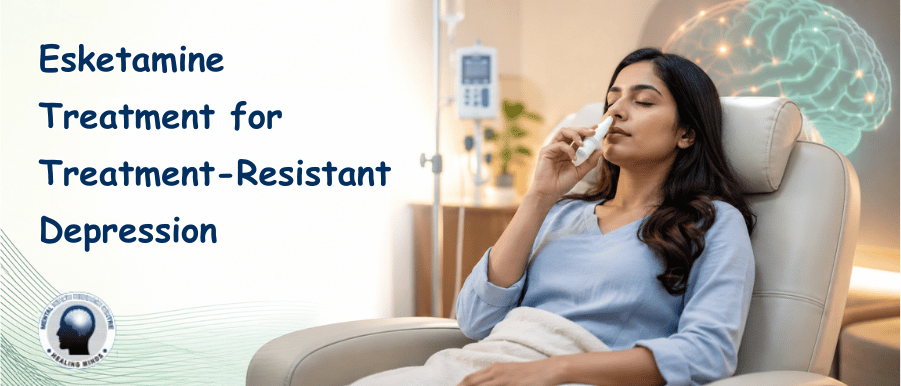
Depression is hard enough when treatment works quickly. It becomes exhausting when you have tried one antidepressant, then another, waited weeks each time, dealt with side effects, and still feel
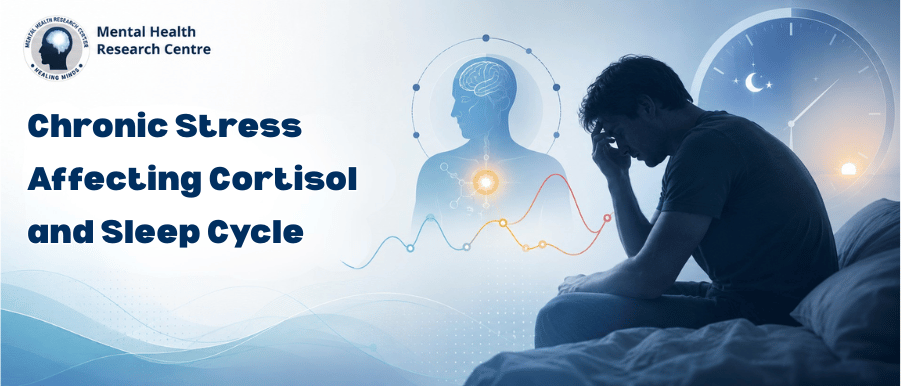
Stress is not always harmful. In short bursts, it helps you stay alert, respond quickly, and handle pressure. The problem begins when stress does not switch off. When your mind

Neuropsychiatric treatment improves quality of life when symptoms sit at the overlap of brain function and mental health. That overlap is common in real clinics. People do not experience “neurology”

Most people don’t wake up and decide, “I need a neuro psychiatrist.” They arrive there after weeks or months of feeling off, confused, or scared by changes they can’t explain.

When adults think about “youth mental” health, they often imagine obvious signs like crying or saying “I’m depressed.” In real life, kids and adolescents ages 10 to 19 may never

Recovery from schizophrenia is real, and many people build stable, meaningful lives with the right care. At the same time, symptom recurrence is common, and it can be frightening for
