
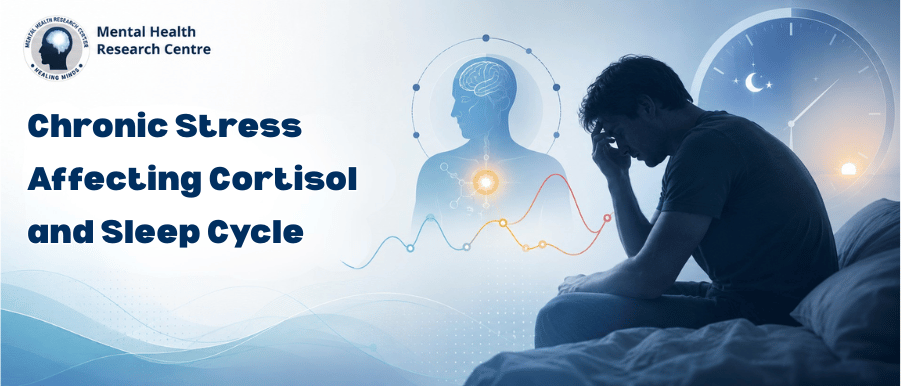
Stress is not always harmful. In short bursts, it helps you stay alert, respond quickly, and handle pressure. The problem begins when stress does not switch off. When your mind and body stay in “threat mode” for days, weeks, or months, your natural cortisol rhythm can become disrupted.
Cortisol is often called the stress hormone, but that label is too narrow. Your body needs cortisol for energy, blood pressure regulation, immune function, metabolism, and waking up in the morning. The issue is not cortisol itself. The issue is long-term imbalance.
Chronic stress should be taken seriously because it can affect both mental health and physical health. If chronic stress begins affecting sleep, concentration, mood, or everyday functioning, consulting a mental health specialist in Kolkata can help determine whether professional support is needed.
What Cortisol Normally Does in the Body
Cortisol is produced by the adrenal glands, which sit above the kidneys. Under normal conditions, cortisol follows a daily rhythm. It usually rises in the early morning, peaks shortly after waking, and gradually decreases through the day so the body can prepare for rest at night.
This early morning rise is known as the cortisol awakening response. It helps your body shift from sleep to alertness. A healthy cortisol awakening response supports energy, focus, and readiness for the day.
This rhythm is connected to your circadian rhythm, the internal body clock that regulates sleep, hormone release, body temperature, and energy patterns. When your circadian rhythm is stable, your sleep-wake cycle is more predictable, and cortisol usually follows a healthier rise-and-fall pattern.
How Chronic Stress Disrupts the Cortisol Curve
When stress becomes chronic, the brain keeps sending alarm signals through the stress-response system. The hypothalamus, pituitary gland, and adrenal glands stay more active than they should. This system is known as the HPA axis.
The sympathetic nervous system also becomes more active. This is the part of the nervous system involved in the fight-or-flight response. It increases alertness, heart rate, muscle tension, and readiness for action. That is useful during real danger, but damaging when it becomes your everyday baseline.
Over time, cortisol may remain elevated for longer than normal, rise at the wrong times, or become less responsive in a healthy way. Some people feel wired at night and exhausted in the morning. Others feel emotionally flat, burned out, or physically depleted.
Chronic stress can also make the body less sensitive to cortisol’s normal signals. This is sometimes described as glucocorticoid resistance. When that happens, the body may struggle to regulate inflammation properly, even though cortisol levels may still be high.
Why High Cortisol Can Affect Blood Sugar and Weight
Cortisol helps release glucose into the bloodstream so your body has quick energy during stress. That is useful in a real emergency. It becomes a problem when stress is constant.
If cortisol stays elevated for too long, blood sugar levels can become harder to regulate. Over time, this may contribute to insulin resistance, cravings, energy crashes, and increased risk for metabolic problems in vulnerable individuals.
Chronic stress is also linked with weight gain in some people, especially around the abdomen. This is not simply about willpower. Stress can affect appetite, cravings, sleep, energy, and fat storage patterns. When people are exhausted, they are also more likely to skip exercise, overeat at night, rely on caffeine, or choose sugary foods for quick energy.
How Cortisol Affects Sleep
Cortisol and sleep are closely connected. Cortisol should be lower at night so your body can relax. When stress keeps cortisol high in the evening, falling asleep becomes harder. You may feel tired but alert, sleepy but restless, or physically drained while your mind keeps running.
Poor sleep then worsens stress the next day. This creates a loop: stress raises arousal, arousal disrupts sleep, poor sleep increases emotional reactivity, and emotional reactivity creates more stress.
When the sleep-wake cycle is repeatedly disrupted, the body loses one of its most important recovery systems. This can worsen anxiety, depression, irritability, concentration problems, physical fatigue, and daytime sleepiness.
Chronic Stress, Heart Health, and the Digestive System
Chronic stress can affect the cardiovascular system by keeping the body in a more activated state. Over time, unmanaged stress may contribute to risk factors associated with heart disease, including high blood pressure, poor sleep, unhealthy eating patterns, and increased inflammation. Stress is not the only cause of heart disease, but it can become one part of a larger risk picture.
The digestive system is also sensitive to stress hormones. Some people notice acidity, bloating, nausea, stomach cramps, changes in appetite, constipation, or diarrhea during stressful periods. This does not mean every digestive symptom is caused by stress. It means chronic stress can worsen digestive system sensitivity and make existing symptoms harder to manage.
Chronic Stress, Immunity, and Inflammation
In the short term, cortisol helps regulate inflammation. But chronic stress can disturb immune balance. When the stress system stays active for too long, the immune system may become less responsive to cortisol’s normal anti-inflammatory effects. This can contribute to low-grade inflammation and increased vulnerability to illness.
This does not mean every infection or inflammatory problem is caused by stress. That would be inaccurate. But chronic stress can weaken resilience and make recovery harder, especially when combined with poor sleep, poor nutrition, substance use, or untreated mental health concerns.
Cortisol and the Endocrine System
Cortisol does not work alone. It interacts with other hormones involved in thyroid function, reproductive health, appetite, and energy regulation. When stress is prolonged, the body may shift resources away from functions it considers less urgent.
Some people notice irregular periods, reduced libido, fatigue, cold intolerance, hair fall, or changes in appetite during long periods of stress. These symptoms can have many possible causes, so proper evaluation is important. Do not assume everything is stress. Persistent symptoms should be assessed medically.
It is also important to distinguish stress-related cortisol changes from medical endocrine disorders. Cushing syndrome, for example, is a medical condition caused by prolonged exposure to high cortisol levels from internal overproduction or certain steroid medications. It can cause symptoms such as weight gain, easy bruising, muscle weakness, high blood pressure, and blood sugar problems. If a clinician suspects an endocrine disorder, they may recommend a cortisol test or other investigations.
Mental Health Signs That Stress Is Affecting Your Body
Chronic stress can show up emotionally before people recognize the physical pattern. You may feel constantly anxious, unusually irritable, emotionally numb, easily overwhelmed, or unable to relax. Concentration may drop. Small problems may feel threatening. You may start avoiding people or relying on alcohol, nicotine, overeating, or late-night scrolling to calm down.
The body signs can be just as clear. Muscle tension, headaches, jaw clenching, chest tightness, stomach discomfort, fatigue, and sleep disturbance often appear when the stress system is overactive for too long.
These patterns are not harmless if they continue. Over time, chronic stress can contribute to anxiety disorders, depressive symptoms, panic attacks, sleep disorders, or burnout.
Can You Reset Cortisol Naturally?
You cannot reset cortisol with one supplement, one detox, or one weekend of rest. That is marketing nonsense. What you can do is support your stress system with consistent daily habits.
A regular sleep schedule is the most important starting point. Sleeping and waking at similar times helps restore the body’s natural rhythm. Morning light exposure can support circadian rhythm timing. A calming night routine, lower screen exposure before bed, and avoiding late caffeine can help reduce nighttime alertness.
Stress management also needs daily practice, not only crisis control. Simple techniques such as deep breathing, breathing exercises, and brief mindfulness practices can help lower immediate arousal when your sympathetic nervous system is overactive. They do not erase the source of stress, but they can reduce the intensity of the body’s response.
Physical activity helps regulate stress hormones, but overtraining can backfire. If you are already exhausted, gentle movement, walking, yoga, or moderate exercise may be more useful than intense workouts every day.
Food, Hydration, and Stress Resilience
Nutrition will not erase chronic stress, but it can improve your body’s resilience. Regular meals with protein, fiber, healthy fats, and whole foods help stabilize energy and reduce blood sugar swings.
Magnesium-rich foods such as spinach, pumpkin seeds, nuts, and legumes may support overall nervous system function. Dark chocolate in small amounts may be comforting for some people, but it is not medicine. Use nutrition as support, not as a cure.
Hydration also matters. Dehydration can temporarily increase physiological stress and make fatigue, headaches, and irritability worse. If you rely heavily on tea, coffee, or sugary drinks while drinking little water, that is worth correcting.
When Professional Help Is Needed
You should consider speaking to a healthcare professional if stress is affecting your sleep, appetite, work, relationships, concentration, or emotional control for more than a few weeks. You should seek help sooner if you are having panic attacks, persistent sadness, hopelessness, substance use escalation, or thoughts of self-harm.
A proper evaluation should look at both mental and physical factors. If symptoms suggest a hormonal or medical issue, a doctor may recommend a cortisol test, thyroid tests, blood sugar testing, or other investigations depending on your symptoms. The goal is not just to reduce stress temporarily, but to understand what is driving it and build a realistic treatment plan.
A Practical Takeaway
Cortisol is not your enemy. It is part of your body’s survival system. But when chronic stress keeps that system switched on, the same hormone that helps you cope can begin to disrupt sleep, blood sugar levels, metabolism, immunity, mood, digestion, and overall health.
The solution is not panic. The solution is early recognition, consistent lifestyle correction, practical stress management, and professional support when stress starts damaging daily life. If chronic stress, anxiety, or sleep problems continue to interfere with daily life, you can visit our mental health clinic in Kolkata for an in-person consultation.
Medical Disclaimer
This blog is for general education and does not diagnose or replace medical advice. Cortisol changes, fatigue, sleep problems, weight changes, anxiety, digestive symptoms, and hormonal symptoms can have many causes. If symptoms persist or worsen, consult a qualified healthcare professional. If there are thoughts of self-harm or immediate danger, seek urgent medical help.

Dr. Sagnik Mukherjee, a distinguished Consultant Neuro-Psychiatrist, brings a wealth of experience and expertise to the field of mental health. With an academic background that includes an MBBS from Calcutta National Medical College, Kolkata, and an MD from SVS Medical College, Hyderabad, he has garnered recognition as one of Kolkata’s leading mental health professionals. Dr. Mukherjee’s illustrious career has seen him contribute his skills and knowledge to esteemed institutions such as Chittaranjan Hospital, SVS Medical College & Hospital Hyderabad, KPC Medical College, and Iris Hospital. Currently, he serves as a consultant at the Mental Health Research Centre in Kolkata, located within the Marwari Relief Society Hospital, Bara Bazar. His areas of specialization encompass Child and adolescent psychiatry, de-addiction, schizophrenia, depression, and various types of anxiety disorders. Dr. Sagnik Mukherjee’s commitment to the field is underscored by his active participation in numerous international and national seminars on Psychiatry and mental health. His dedication and expertise make him a highly respected figure in the realm of mental health care in Kolkata.
